

Geopolitics of Criticality
Analyzing Nigeria's role in the global race for energy transition minerals (lithium, cobalt, rare earths) as major powers diversify supply chains.
Exploring Nigeria's future in minerals, mining, and sustainable development through critical thinking, research, and innovation.
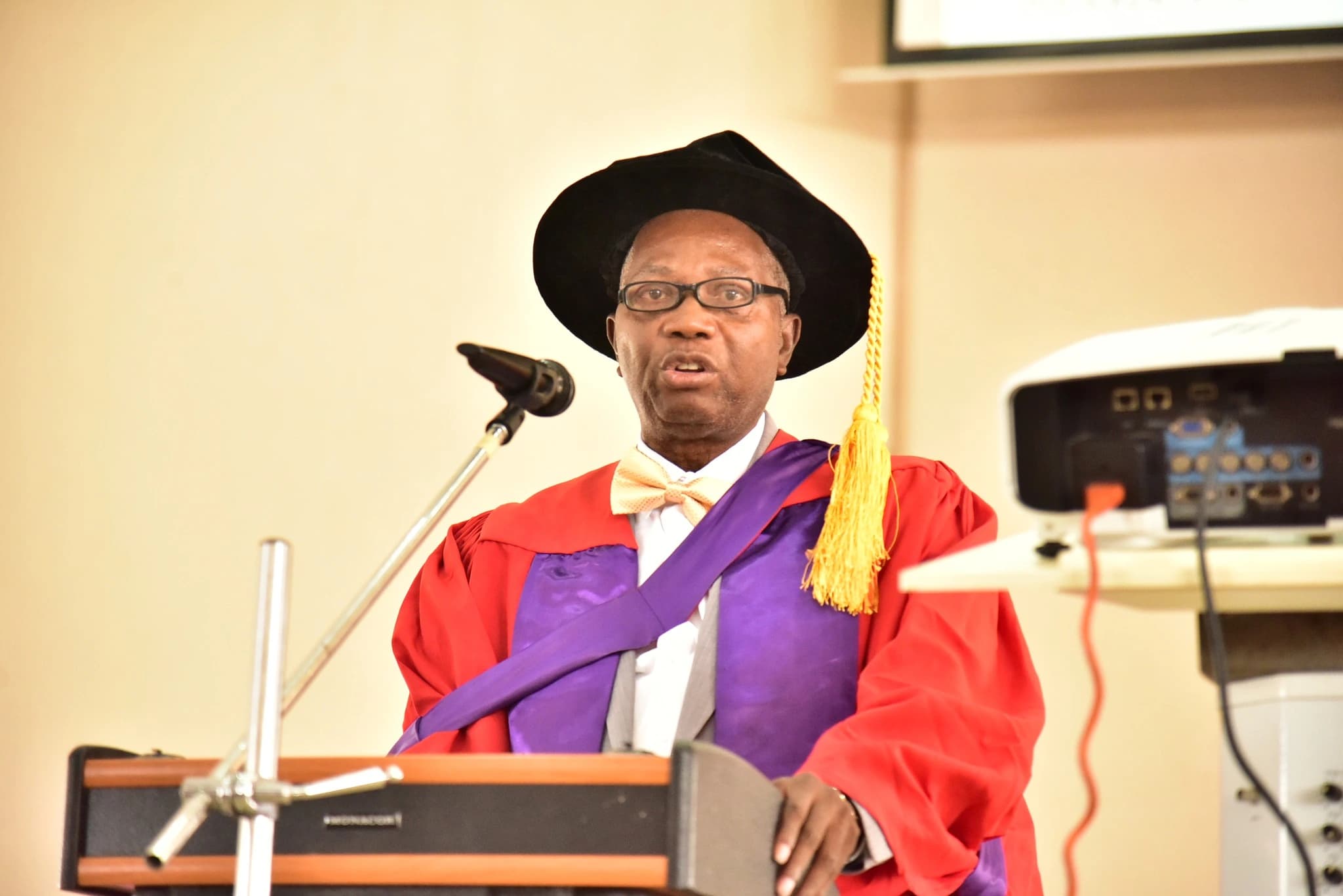
In Memoriam
Engr. Prof. John Ade Ajayi was Nigeria's foremost Professor of Metallurgical and Minerals Engineering, a prolific scholar whose contributions spanned practice, teaching, research, mentorship, and policy contribution. A threefold Engineer (Mechanical, Metallurgical and Minerals Engineer) and Fellow of six distinguished professional engineering bodies, his legacy continues to shape Nigeria's minerals and metals sector. Through every dimension of his career, he devoted himself to unlocking that potential, shaping the minds of future engineers in the sector while influencing the policies that would chart the sector's course.
150+
Published Works
6
Engineering Fellowships
3
Engineering Disciplines
Pioneer
NAE Mining Committee Chairman
In honour of the enduring legacy of Prof. John Ade Ajayi, this maiden essay competition invites students and young scholars to critically examine Nigeria's opportunities, challenges, and strategic positioning within the evolving global critical minerals economy.
Examining environmentally responsible approaches to mineral resource development in Nigeria.
Advancing technological and operational innovations across Nigeria's mining value chain.
Exploring how strategic mineral development can drive inclusive national economic growth.
Proposing evidence-based policy frameworks for Nigeria's critical minerals economy.
Essay Theme
“Global Scenario in Sustainable Precious and Critical Mineral Resources Development:”
Quo Vadis Nigeria in Minerals, Mining, and Metals Value Chain?
“Quo Vadis?” means “Whither goest thou?” — Where is Nigeria headed? The competition challenges participants to answer this through evidence-based, policy-driven essays on Nigeria's 44+ exploitable minerals.
Analyzing Nigeria's role in the global race for energy transition minerals (lithium, cobalt, rare earths) as major powers diversify supply chains.
Strategies for transparent legal frameworks ensuring equitable wealth distribution and avoiding the social/environmental pitfalls of the oil era.
Opportunities for developing recycling infrastructure for critical minerals within Nigeria to reduce environmental strain.
Exploring the policy shift toward local mineral processing; moving beyond raw exports to battery-grade materials.
Addressing the nexus between illegal mining, regional insecurity, and artisanal mining formalization.
The impact of AI-based exploration and the Nigerian Minerals Decision Support System (NMDSS) in overcoming geological data blind spots.

300 level and above, enrolled in an accredited Nigerian tertiary institution.

Masters and PhD students enrolled in an accredited Nigerian tertiary institution.

Top essays are rewarded with cash prizes and formal recognition through the Prof. John Ade Ajayi Annual Essay Competition.
₦1,000,000
Cash Prize
₦500,000
Cash Prize
₦300,000
Cash Prize
Each criterion carries a fixed share of the total score, shown below along the judging timeline.
Meet all six guidelines below before you submit. Entries that miss any requirement may be disqualified during review.
1,500–2,000 words (excluding references and appendices). Essays outside this range may be disqualified.
Times New Roman or Aptos, 12pt, double line spacing, standard margins (1 inch / 2.54 cm on all sides).
APA, Chicago, or Harvard referencing formats. Consistency throughout the essay is required.
Essay title, author name(s), institutional affiliation with valid ID, contact email and phone, abstract (max 250 words), and 3–5 keywords.
Submit in .doc, .docx, or .pdf format only.
Must be original and unpublished. Plagiarism or undisclosed AI-generated content will result in disqualification.
FAQ
We compiled a list of answers to address your most pressing questions regarding the essay competition.
Submit your essay before July 25, 2026 and make your mark.